Maastricht
About Maastricht
One of the oldest cities in the Netherlands, Maastricht is renowned for its medieval architecture, vibrant culinary scene, and European charm. Situated along the Meuse River, it offers a unique blend of Dutch and international influences that create an atmosphere unlike anywhere else in the country.
Culture & Creative Spaces
Bonnefanten Museum
Contemporary and old master artworks
Bureau Europa
Center for architecture and design
Theater aan het Vrijthof
Performing arts venue with music and theater
Major Annual Events
Maastricht Carnival (Feb)
Colorful parades and street parties
TEFAF Maastricht (March)
One of the world's largest fine art fairs
Magisch Maastricht (Dec)
Christmas market, ice skating, and lights
Schools & Education
United World College Maastricht
Maastricht University
English-taught programs in health, arts, and law
Porta Mosana College
Secondary bilingual education
Tourist Attractions
Basilica of Saint Servatius
Romanesque religious site
Vrijthof Square
Cafés, festivals, and city views
St. Pietersberg Caves
Historic underground limestone tunnels
Lifestyle & Getting Around
Walkable historic center with Roman ruins and quaint alleys
Train access to Aachen (DE), Liège (BE), and the Randstad
Biking and buses easily connect neighborhoods
Shopping Centers
Entre Deux - Indoor shopping near the Vrijthof
Mosae Forum - Fashion and gourmet shops
Wycker Brugstraat - Boutique stores and bakeries
Weekly Markets
Marktplein
09:00 – 15:00
Large market with regional foods, textiles
Stationstraat/Wyck
10:00 – 17:00
Local cheeses, meats, crafts
Municipality Contact
Gemeente Maastricht
Mosae Forum 10, 6211 DW Maastricht
14 043
Maastricht
City and Municipality in the Netherlands
About Maastricht
Maastricht is a city and a municipality in the southeast of the Netherlands. It is the capital and largest city of the province of Limburg. Maastricht is located on both sides of the Meuse (Dutch: Maas), at the point where the Jeker joins it. It is adjacent to the border with Belgium. Maastricht developed from a Roman settlement to a medieval religious centre. In the 16th century it became a garrison town and in the early industrial era, an industrial city. Today, the town is a thriving cultural and regional hub. It is generally well-known through the Maastricht Treaty and as the birthplace of the euro.
Maastricht has 1677 national heritage buildings (Rijksmonumenten), the second highest number in the Netherlands, after Amsterdam. The town is popular with tourists for shopping and recreation, and has a large international student population. Maastricht is a part of the Most Ancient European Towns Network and a part of the Meuse-Rhine Euroregion, which includes the nearby German and Belgian cities of Aachen, Eupen, Hasselt, Liège, and Tongeren. The Meuse-Rhine Euroregion is a metropolis with a population of about 3.9 million and several international universities.
Shopping in Maastricht
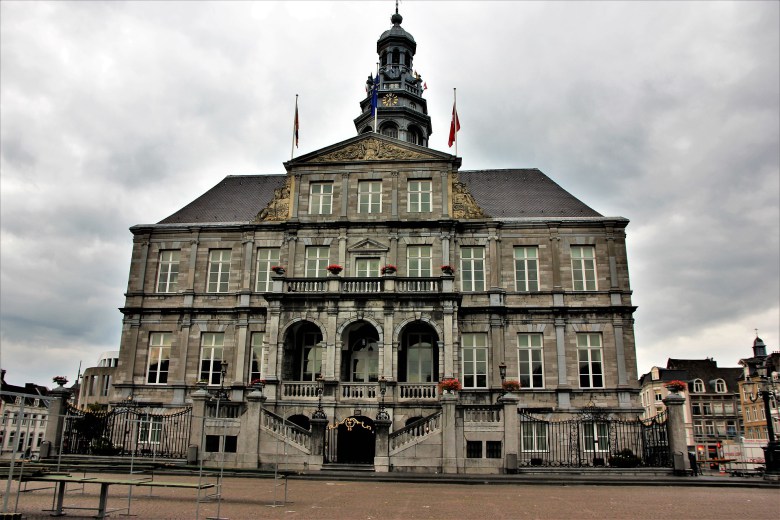
Historic Architecture
Maastricht is a city and a municipality in the southeast of the Netherlands.
It is the capital and largest city of the province of Limburg. The city developed from a Roman settlement to a medieval religious centre, becoming a garrison town in the 16th century and an early industrial city in the 19th century.
Today, Maastricht is a thriving cultural and regional hub, well-known through the Maastricht Treaty and as the birthplace of the euro. The city boasts 1677 national heritage buildings, the second highest number in the Netherlands after Amsterdam.

International Community
The town is popular with tourists for shopping and recreation, and has a large international student population. Maastricht is a member of the Most Ancient European Towns Network and serves as an important part of the Meuse-Rhine Euroregion.
This cross-border region includes major cities like Aachen, Eupen, Hasselt, Liège, and Tongeren, creating a vibrant international community with a population of around 3.9 million and several international universities.
Location
Key Facts
Province
Limburg (Capital City)
River
Meuse (Maas) & Jeker
Heritage
1677 national heritage buildings
Famous For
Maastricht Treaty & Euro Birthplace
Region
Meuse-Rhine Euroregion
Education
Large International Student Population
Maastricht
City and Municipality in the Netherlands
Location
Southeast Netherlands, Province of Limburg
About Maastricht
Maastricht is a city and a municipality in the southeast of the Netherlands. It is the capital and largest city of the province of Limburg. Maastricht is located on both sides of the Meuse (Dutch: Maas), at the point where the Jeker joins it. It is adjacent to the border with Belgium. Maastricht developed from a Roman settlement to a medieval religious centre. In the 16th century it became a garrison town and in the 19th century an early industrial city. Today, the town is a thriving cultural and regional hub. It is generally well-known through the Maastricht Treaty and as the birthplace of the euro.
Maastricht has 1677 national heritage buildings (Rijksmonumenten), the second highest number in the Netherlands, after Amsterdam. The town is popular with tourists for shopping and recreation, and has a large international student population. Maastricht is a part of the Most Ancient European Towns Network and a part of the Meuse-Rhine Euroregion, which includes the nearby German and Belgian cities of Aachen, Eupen, Hasselt, Liège, and Tongeren. The Meuse-Rhine Euroregion is a metropolis with a population of about 3.9 million, with several international universities.
Shopping in Maastricht
Maastricht's weekly street markets
Here are some of our favorite street markets in Maastricht!
Historic Architecture
Maastricht is a city and a municipality in the southeast of the Netherlands. It is the capital and largest city of the province of Limburg. The city developed from a Roman settlement to a medieval religious centre, becoming a garrison town in the 16th century and an early industrial city in the 19th century.
Today, Maastricht is a thriving cultural and regional hub, well-known through the Maastricht Treaty and as the birthplace of the euro. The city boasts 1677 national heritage buildings, the second highest number in the Netherlands after Amsterdam.
International Community
The town is popular with tourists for shopping and recreation, and has a large international student population. Maastricht is a member of the Most Ancient European Towns Network and serves as an important part of the Meuse-Rhine Euroregion.
This cross-border region includes major cities like Aachen, Eupen, Hasselt, Liège, and Tongeren, creating a vibrant international community with a population of about 3.9 million and several international universities.
Key Facts
Province
Limburg (Capital City)
River
Meuse (Maas) & Jeker
Heritage
1677 National Heritage Buildings
Famous For
Maastricht Treaty & Euro Birthplace
Region
Meuse-Rhine Euroregion
Education
Large International Student Population
Maastricht - Where History Meets Modernity in the Heart of Europe